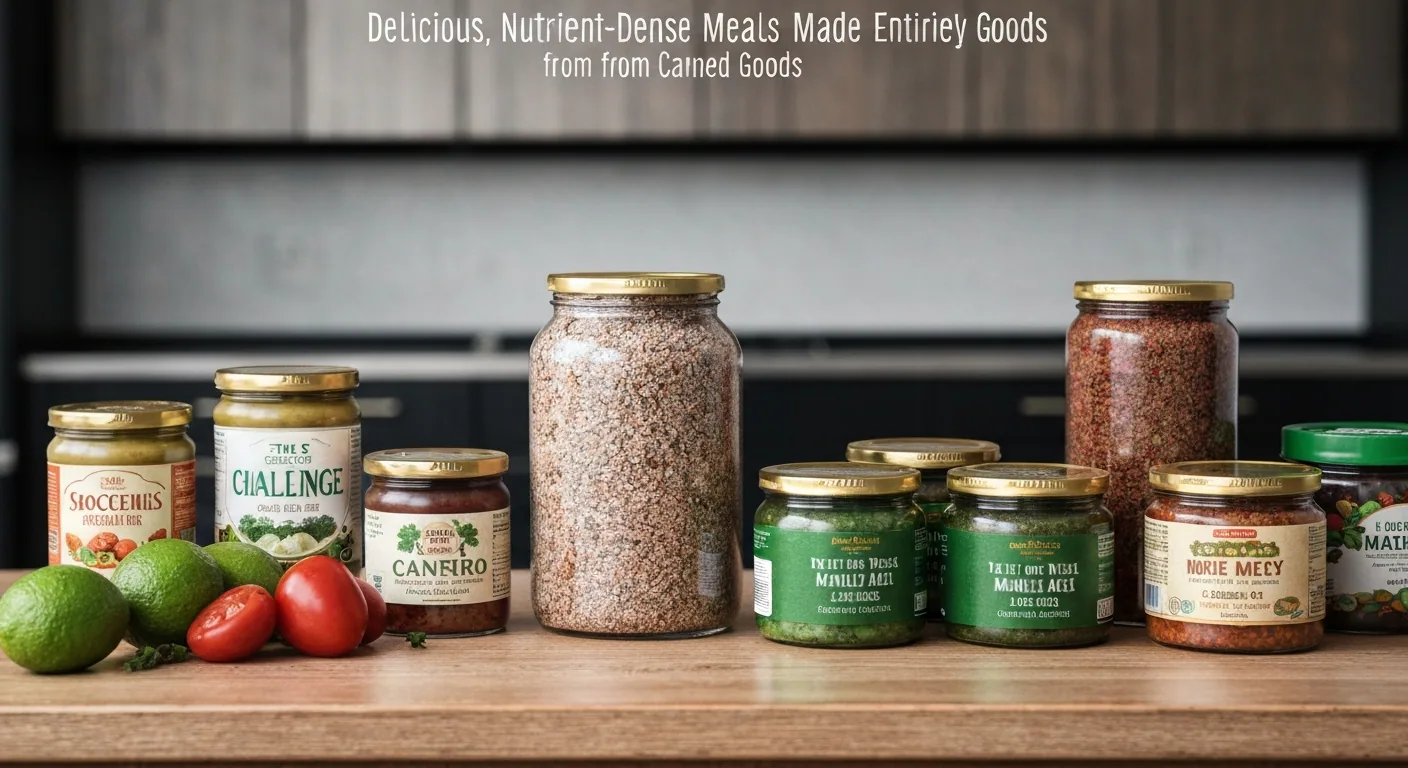
The Humble Pantry Revolution
We have all experienced that specific evening paralysis: staring blankly into the pantry after a long day, surveying rows of metal cans, and concluding there is absolutely nothing to eat. It is an easy trap to fall into. In a culinary culture that frequently prioritizes expensive, hyper-fresh ingredients and complex specialty items, we often overlook the incredible potential sitting right on our kitchen shelves. Canned goods are frequently relegated to emergency backups or afterthought side dishes.
But what if those modest cans are actually the secret to some of the most comforting, deeply flavorful, and nutrient-dense meals you can make? The fifteen-dollar pantry challenge is designed to change how you look at non-perishable food. By learning how to combine basic canned items like chickpeas, fire-roasted tomatoes, and rich coconut milk, you can unlock a world of sophisticated weeknight dinners that taste like they took hours to simmer, all while keeping your grocery bill incredibly low.
Dismantling the Myth of Canned Foods
For decades, canned food has suffered from an unfair reputation. Many believe that the canning process strips food of its nutritional value, leaving behind bland, mushy textures and artificial preservatives. In reality, modern canning technology preserves food at its absolute nutritional peak. Vegetables destined for the can are typically harvested and sealed within hours, locking in vital vitamins, minerals, and antioxidants that might otherwise degrade during the days or weeks fresh produce spends in transit and on store shelves.
From a health perspective, canned legumes like chickpeas, black beans, and kidney beans are dietary powerhouses. They provide excellent sources of plant-based protein, complex carbohydrates, and dietary fiber, which promotes gut health and keeps you feeling full. When paired with canned tomatoes, which contain high levels of the powerful antioxidant lycopene, and healthy fats from canned coconut milk, you have a complete nutritional profile. Cooking exclusively from cans is not just a budget-friendly compromise; it is an incredibly healthy way to feed yourself and your family.
The Fifteen-Dollar Grocery Basket
To prove just how far a small budget can stretch, let us look at a basic grocery list of canned staples. Prices will vary slightly depending on your location, but this basket consistently hovers around the fifteen-dollar mark:
- Two cans of chickpeas ($1.80)
- Two cans of black beans ($1.80)
- Two cans of fire-roasted diced tomatoes ($2.40)
- One can of full-fat coconut milk ($1.90)
- One can of whole leaf spinach ($1.50)
- One can of sliced new potatoes ($1.50)
- One can of high-quality albacore tuna or white cannellini beans ($2.00)
- One small can of tomato paste ($0.80)
- One can of sliced green chiles ($1.00)
With this simple basket and a few spices from your cabinet, you can easily create three distinct, restaurant-quality dinners that each serve two to three people. Let us dive into how to transform these ingredients.
Golden Coconut Chickpea Curry
This dish is a warm, aromatic masterpiece that rivals any takeout curry. It relies on the velvety texture of full-fat coconut milk and the earthy substance of canned chickpeas. By caramelizing the tomato paste and blooming your spices beforehand, you build a complex flavor base that completely masks any canned undertones.
To make this curry, start by draining and thoroughly rinsing your chickpeas. In a deep saucepan, heat a splash of oil and add a tablespoon of curry powder, a teaspoon of turmeric, and a pinch of cayenne pepper. Once the spices are fragrant, stir in two tablespoons of tomato paste and the canned green chiles, cooking them until the paste turns a deep brick-red color.
Next, pour in the canned diced tomatoes and let them simmer until the liquid reduces by half. Stir in the rinsed chickpeas and the entire can of coconut milk. Bring the mixture to a gentle boil, then lower the heat and let it simmer for fifteen minutes. In the final two minutes, fold in the drained canned spinach. The result is a thick, golden curry packed with iron, protein, and rich, tropical flavor.
Smoky Tomato and Black Bean Stew
For a meal that feels like a rustic, slow-cooked campfire stew, this recipe pairs smoky spices with earthy black beans and tender canned potatoes. The trick to this dish is utilizing the starch from the canned potatoes to naturally thicken the broth, creating a hearty, velvety texture.
Begin by draining your canned potatoes and cutting them into bite-sized halves. In a large pot, sear the potatoes in a bit of oil over medium-high heat until they develop a golden, crispy crust. Remove them from the pot and set them aside. In the same pot, add a tablespoon of smoked paprika, a teaspoon of cumin, and a dash of garlic powder.
Add one can of fire-roasted tomatoes and both cans of black beans (only lightly drained, as the bean liquid adds rich body to the stew). Stir the crispy potatoes back into the pot. Let the stew simmer on low heat for twenty minutes, stirring occasionally. As the potatoes cook, some of their starches will melt into the smoky tomato broth, creating an incredibly thick and comforting stew. Serve it hot with a squeeze of lime juice or a pinch of dried oregano if you have it on hand.
Mediterranean Tuna and Cannellini Bean Salad
If you want a bright, fresh, and completely no-cook option, this Mediterranean-inspired salad is the perfect solution. It relies on the contrast between creamy white beans, flaky tuna, and a zesty dressing. It is high in protein, packed with heart-healthy omega-3 fatty acids, and takes less than ten minutes to assemble.
In a medium bowl, combine one drained can of tuna and one drained and rinsed can of white cannellini beans. To elevate the texture, gently toss them together so the beans remain intact but the tuna flakes into bite-sized chunks.
For the dressing, whisk together three tablespoons of olive oil, two tablespoons of vinegar (red wine or apple cider work beautifully), a pinch of salt, black pepper, and dried parsley. Pour the dressing over the tuna and bean mixture, tossing gently to coat. Let the salad sit at room temperature for ten minutes before serving to allow the beans to absorb the bright, zesty dressing. It is a light yet deeply satisfying meal that feels incredibly elegant.
Key Techniques to Elevate Canned Goods
To truly master the art of pantry cooking, you must understand how to manipulate the unique properties of canned foods. Because these ingredients are pre-cooked, your primary goal is to enhance their texture, build complex flavors, and cut through any lingering metallic tastes.
- Rinse your legumes: Always pour your beans and chickpeas into a colander and rinse them thoroughly under cold water. This removes the starchy, salty canning liquid, resulting in a cleaner flavor and better texture.
- Use acid to brighten: Canned foods benefit immensely from acid. A splash of lemon juice, lime juice, or vinegar added at the very end of cooking will instantly wake up the flavors and make the dish taste remarkably fresh.
- Bloom your dry spices: Since you are not using fresh aromatics like onions or garlic, it is crucial to heat your dry spices in warm oil for sixty seconds before adding your canned ingredients. This activates the essential oils in the spices, distributing flavor evenly throughout the dish.
- Texturize with high heat: Canned vegetables and potatoes can sometimes be soft. Searing them in a hot pan before adding liquids helps restore a pleasant, rustic bite.
The Financial and Practical Power of Pantry Cooking
Beyond the obvious cost savings, incorporating more canned-based meals into your weekly rotation offers profound practical and environmental benefits. Food waste is one of the leading contributors to household financial loss. Fresh vegetables wilt in the crisper drawer, meats spoil before we can cook them, and herbs turn to mush. Canned goods, however, have a shelf life measured in years rather than days. They are ready exactly when you are, eliminating food waste entirely.
Additionally, cooking from your pantry reduces the stress of daily meal planning. When you know you can create a satisfying, nutritious dinner from a few cans of beans and tomatoes, the pressure of grocery shopping fades away. You are no longer at the mercy of empty refrigerators or expensive last-minute takeout orders. You have a reliable, delicious backup plan sitting right on your shelves.
Rethinking the Kitchen Canvas
Great cooking is not defined by the price tag of your ingredients or the exclusivity of your grocery store. It is defined by how you apply heat, balance flavors, and transform simple components into something greater than the sum of their parts. The fifteen-dollar pantry challenge is a reminder that culinary creativity thrives under constraints.
By keeping a handful of high-quality canned goods in your kitchen, you are always just thirty minutes away from a hot, wholesome, and delicious meal. The next time you look at your pantry shelves, do not see a lack of options. See a blank canvas waiting for your next great culinary adventure.