Sports & Outdoors
Paddle and Pitch: A Beginner's Guide to Stand-Up Paddleboard Camping
Discover how to balance, pack, and secure your gear for a unique weekend adventure with our beginner's guide to stand-up paddleboard camping.

Discover how to balance, pack, and secure your gear for a unique weekend adventure with our beginner's guide to stand-up paddleboard camping.
What makes the Govee WiFi Water Leak Detector 3-Pack a smart choice for home protection? Learn how real-time alerts, remote monitoring, expandable coverage, and loud alarms help you detect leaks before costly damage occurs.
What makes the Zamia 2 Pack Wired Controller for Xbox 360 a practical gaming accessory? Discover how its plug-and-play design, dual-controller bundle, ergonomic layout, and budget-friendly pricing can help enhance your gaming experience.
While battery-electric vehicles dominate passenger transit, hydrogen fuel cell technology is proving to be the practical, heavy-duty solution needed to decarbonize the demanding world of long-haul freight logistics.
What makes the Kodak PIXPRO FZ55-BK a reliable compact camera for everyday photography? Discover how its 16MP sensor, 5x optical zoom, Full HD video recording, and beginner-friendly design help you capture memorable moments without the complexity of professional equipment.
While solid-state batteries promise to revolutionize smartphone safety, lifespan, and energy density, significant manufacturing hurdles mean consumers will have to wait until the late 2020s for wide-scale adoption.
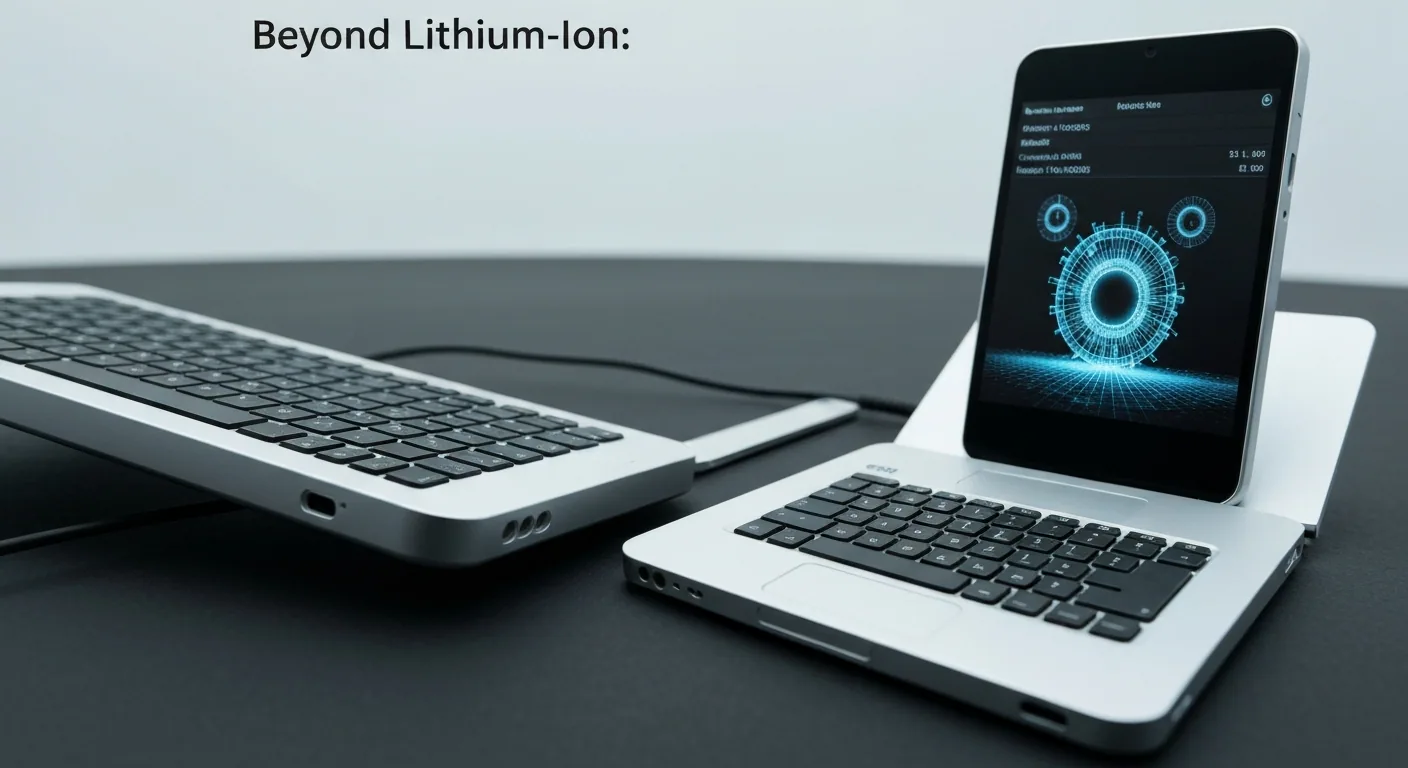
For more than two decades, our smartphones, laptops, and electric vehicles have been powered by the same fundamental technology: the lithium-ion battery. While this technology has matured significantly, allowing devices to become thinner and run faster, we have reached the thermodynamic limits of what liquid-electrolyte batteries can safely deliver. Today, smartphone users live in a cycle of compromise, constantly balancing performance against battery degradation and the ever-present, albeit rare, risk of overheating.
Enter solid-state batteries. Widely heralded as the holy grail of energy storage, this technology promises to solve the safety, capacity, and longevity issues that plague modern devices. However, despite years of laboratory breakthroughs and sensational headlines, you cannot yet buy a smartphone with a solid-state battery. Understanding when this revolutionary hardware will finally land in your pocket requires looking closely at the engineering breakthroughs, production bottlenecks, and shifting timelines of global manufacturing.
To understand why solid-state technology is such a massive leap forward, it helps to examine how the battery in your current smartphone works. A standard lithium-ion battery consists of a cathode (positive electrode), an anode (negative electrode), a separator, and a liquid electrolyte. The liquid electrolyte acts as the medium, allowing lithium ions to flow back and forth between the anode and cathode during charge and discharge cycles.
While highly efficient, this liquid chemical setup has major vulnerabilities. The liquid solvent is volatile and highly flammable, and if the ultra-thin separator between the anode and cathode is compromised by physical damage or manufacturing flaws, a short circuit can occur. This leads to rapid heating, chemical breakdown, and potentially a catastrophic fire.
Solid-state batteries replace the volatile liquid electrolyte and the polymer separator with a solid material. This solid electrolyte—which can be made of ceramic, glass, or advanced polymers—acts as both the separator and the medium through which ions travel. By eliminating the liquid, manufacturers can fundamentally redesign the battery architecture, paving the way for safer, denser, and longer-lasting energy storage.
For smartphone manufacturers, device safety is a paramount concern. The recall of the Samsung Galaxy Note 7 in 2016 remains a stark reminder of what can go wrong when liquid-electrolyte lithium-ion batteries are pushed past their physical limits in an effort to maximize capacity in ultra-thin form factors.
Solid-state batteries inherently eliminate the risk of thermal runaway. Because the solid electrolyte is non-flammable and highly stable at high temperatures, it does not catch fire or explode even when severely damaged, punctured, or subjected to extreme pressure.
This safety profile allows designers to rethink device construction. Currently, smartphones require complex thermal management systems and physical shielding to protect the battery from punctures and contain heat. By removing these safety-buffer requirements, device manufacturers can utilize every cubic millimeter of internal space more efficiently.
Beyond safety, the most exciting promise of solid-state technology is a dramatic jump in energy density. Volumetric energy density refers to how much energy a battery can store relative to its physical size. Solid-state batteries are projected to offer up to double the energy density of today's best lithium-ion cells.
This density boost is achieved primarily because solid electrolytes enable the use of a pure lithium metal anode instead of the graphite anodes used today. Lithium metal anodes can store significantly more ions in a fraction of the space.
For consumers, this means two potential design paths. Smartphone makers could choose to keep devices the same thickness as they are now but double the battery life, easily pushing smartphones into reliable three-to-four-day usage territory on a single charge. Alternatively, they could opt to make devices incredibly thin and lightweight while maintaining a standard full-day charge, freeing up physical space inside the chassis for larger camera sensors, advanced haptic engines, or better cooling systems for mobile gaming.
Most consumers are familiar with the slow degradation of their smartphone's battery. After about two years of daily charging (roughly 500 to 800 cycles), a standard lithium-ion battery typically degrades to 80% of its original capacity. This degradation is caused by side reactions within the liquid electrolyte, the formation of micro-cracks, and the growth of metallic fibers called dendrites that eventually short-circuit the cell.
Solid-state batteries are far more resilient. The solid electrolyte prevents the physical growth of dendrites and is chemically much more stable over long periods. Early testing suggests that solid-state cells can easily withstand thousands of charge-discharge cycles with virtually no capacity loss.
This longevity aligns perfectly with a growing consumer trend: holding onto smartphones for longer. As major manufacturers like Apple, Google, and Samsung commit to seven years of software updates, having a battery that can easily survive a decade without needing a costly and inconvenient replacement will become a critical selling point.
If solid-state batteries are safer, denser, and longer-lasting, why aren't they in our devices today? The transition from a successful laboratory prototype to a mass-produced consumer product is incredibly difficult, particularly for a technology as sensitive as electrochemistry.
Manufacturing solid-state batteries at scale presents several unique engineering challenges:
While the automotive industry is driving the majority of solid-state research due to the massive demand for longer EV ranges, smartphones might actually be the first to benefit from early iterations of the technology.
Electric vehicle battery packs are massive, requiring thousands of individual cells that must perform flawlessly under extreme temperature swings and high-stress conditions. A smartphone, by comparison, requires only a single, relatively small battery cell operating in a controlled temperature environment.
Because smaller batteries require less raw material and have lower manufacturing complexity per unit, tech companies can afford to absorb the high initial costs of early-stage solid-state production by positioning them as premium features in ultra-high-end flagship smartphones.
We are currently in the transition phase. To bridge the gap, several manufacturers are focusing on "semi-solid-state" batteries, which use a solid polymer matrix combined with a very small amount of liquid or gel electrolyte to solve the contact resistance issue. We are already seeing these hybrid cells appear in niche Chinese smartphones and premium electric vehicles.
However, true all-solid-state batteries will take longer to arrive in the consumer market. Industry roadmaps suggest the timeline will unfold in stages:
While we are still a few years away from experiencing the full benefits of this battery revolution, the transition is inevitable. The era of battery anxiety, degradation worries, and volatile liquid chemistries is drawing to a close, paving the way for a safer, more durable generation of mobile technology.
Discover articles, insights, and guides across a wide range of topics. Choose a category that interests you and explore content tailored to your needs.

Keep your vehicle running smoothly and looking great with automotive parts, accessories, maintenance products, and tools. From car care essentials and replacement parts to performance upgrades and travel accessories, this category serves both everyday drivers and automotive enthusiasts.

Enhance your beauty routine with premium skincare, makeup, haircare, fragrances, and personal grooming products. Whether you're looking for daily essentials or luxury beauty items, our collection helps you look and feel your best with products designed for every skin type and lifestyle.

Explore a world of knowledge, entertainment, and inspiration through books, magazines, movies, music, and digital content. Whether you're a passionate reader, a movie enthusiast, or someone looking to learn new skills, you'll find a wide range of media to suit your interests.

Stay connected and powered with the latest technology products. Browse a wide selection of smartphones, laptops, tablets, gaming devices, smart home gadgets, and accessories from trusted brands. Whether you're upgrading your setup or shopping for everyday tech essentials, you'll find innovative solutions for work, entertainment, and daily life.

Discover stylish clothing, footwear, and accessories for every occasion. From casual wear and formal attire to seasonal collections and trendy fashion pieces, our Fashion & Apparel category offers options for men, women, and children. Express your personal style with quality products from leading brands and designers.

Shop for fresh ingredients, pantry staples, snacks, beverages, and household essentials all in one place. Our Groceries & Food category offers convenient access to quality food products and daily necessities, making it easy to stock your kitchen and meet your family's needs.

Support your well-being with products focused on health, fitness, and self-care. Explore vitamins, supplements, fitness equipment, health monitors, and wellness accessories designed to help you maintain a healthy lifestyle and achieve your personal health goals.

Transform your living space with furniture, home décor, kitchenware, bedding, lighting, and storage solutions. Our Home & Living category offers everything you need to create a comfortable, stylish, and functional home, whether you're decorating a new space or upgrading your current one.

Gear up for your favorite activities with high-quality sports equipment, fitness gear, outdoor apparel, and adventure essentials. Whether you're exercising, hiking, camping, cycling, or participating in team sports, find products built to enhance performance and enjoyment.

Bring fun and learning together with a diverse selection of toys, games, puzzles, and collectibles. Perfect for children of all ages and even adults, this category includes educational toys, board games, action figures, and interactive entertainment designed to inspire creativity and enjoyment.